

Understanding the psychological triggers behind gambling behavior
The Allure of Risk and Reward
The thrill of gambling often stems from the human attraction to risk and the potential for reward. This excitement can be linked to the brain’s reward system, which releases dopamine when we encounter unexpected wins. The anticipation of hitting the jackpot stimulates feelings of euphoria, making the act of gambling highly engaging. Players often chase the high from wins, which can lead to repeated gambling experiences as they seek to relive that initial thrill. One popular option players might find engaging is Le Fisherman from Hacksaw Gaming, a whimsical slot game that adds to the excitement.
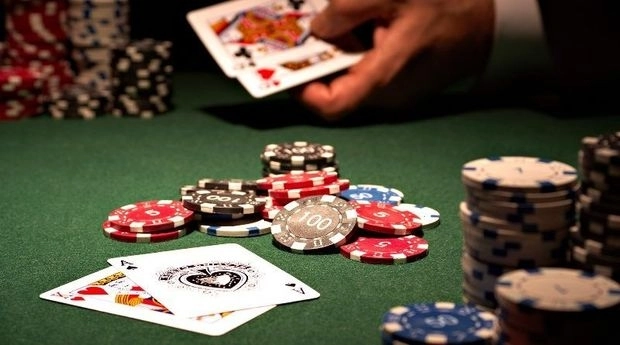
This relationship between risk and reward can create a feedback loop, where the more one gambles, the more they desire to continue. Each small win can reinforce gambling behavior, tricking the brain into thinking that greater risks will lead to even bigger rewards. In turn, this can normalize the behavior and can lead individuals to gamble beyond their means, hoping for that elusive big payout. Understanding this dynamic is crucial for both players and professionals working in gambling awareness.
The Role of Social Influence
Social factors play a significant role in gambling behavior, as many individuals are influenced by the people around them. Peer pressure can lead to increased gambling activity, especially in settings like casinos or online platforms where social interaction is part of the experience. Friends or family members may encourage or normalize gambling, making it seem more acceptable and enticing. This social approval can often lead to increased participation in gambling activities.
Moreover, the rise of online gambling communities has amplified these influences. Social media platforms and online forums often celebrate gambling wins and highlight lifestyle choices linked to gambling, which can entice new players to join in. These platforms create an environment where gambling is not only normalized but also glamorized, leading individuals to perceive gambling as a mainstream entertainment activity rather than a risky behavior.
Additionally, social identity plays a role in gambling behavior. Many people connect their self-esteem and social identity to their gambling successes. A win can enhance one’s image among peers, while losses can lead to embarrassment and a desire to recover financially and socially. This emotional connection to gambling is often underestimated, and it can significantly influence behavior, making it difficult for individuals to step away even when they recognize the negative implications of their actions.
The Impact of Emotional States
Emotions significantly influence gambling behavior, as many individuals turn to gambling as a way to cope with stress, anxiety, or depression. The act of gambling can serve as an escape from negative feelings, providing a temporary sense of relief. This emotional connection often leads individuals to gamble more during tough times, further entrenching the behavior into their lives.
Additionally, positive emotions can also drive gambling behavior. Celebrating wins can heighten feelings of joy, leading players to gamble even more in search of that happiness. In contrast, losing streaks can evoke negative emotions, prompting individuals to chase losses, which often leads to further financial strain and emotional distress. This cycle of emotional highs and lows illustrates how gambling can become an unhealthy coping mechanism.
Understanding the emotional triggers behind gambling behavior is essential for effective intervention. Identifying when individuals are more prone to gamble, such as during stressful times or significant life changes, can help in developing support strategies. Recognizing that gambling often intersects with emotional well-being can pave the way for healthier coping mechanisms and reduce the allure of gambling as a means of emotional escape.
The Myth of “Hot” and “Cold” Streaks
A common misconception in gambling is the belief in “hot” and “cold” streaks—where players think that their winning or losing streaks will continue. This fallacy can significantly influence a gambler’s behavior, leading them to increase their bets during a perceived “hot” streak or to give up entirely during a “cold” streak. Understanding this cognitive bias is vital, as it impacts decision-making and gambling practices.
This myth can also be linked to the gambler’s fallacy, where players believe that past events affect future outcomes in games of chance. For instance, a player might think that if a slot machine hasn’t paid out recently, it is “due” for a big win. Such misconceptions can lead to irrational gambling behavior and poor financial decisions, as individuals stake larger amounts based on flawed reasoning.
Debunking these myths is crucial for fostering responsible gambling. Education on the nature of randomness and the odds of various games can help mitigate these cognitive biases. By promoting a clearer understanding of how games function, players can make more informed choices, reducing the emotional and financial risks associated with gambling.

Conclusion and Support Resources
Understanding the psychological triggers behind gambling behavior can help individuals recognize the factors that contribute to their choices. With insights into the allure of risk, social influences, emotional states, and cognitive biases, one can better navigate the complexities of gambling. This knowledge is not only beneficial for individuals who gamble but also for their friends and family, as well as professionals in the field.
For those seeking to manage their gambling habits or support others, there are numerous resources available. Organizations dedicated to responsible gambling offer educational materials, support groups, and counseling services. Engaging with these resources can provide guidance and strategies for maintaining healthier relationships with gambling, fostering a more aware and balanced approach to gaming and wagering activities.